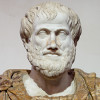
“ Most people seem, owing to ambition, to wish to be loved rather than to love; which is why most men love flattery ”
Aristotle, Nicomachean Ethics (c. 334 BC - 330 BC). copy citation
| Author | Aristotle |
|---|---|
| Source | Nicomachean Ethics |
| Topic | flattery ambition |
| Date | c. 334 BC - 330 BC |
| Language | English |
| Reference | |
| Note | Translated by W. D. Ross |
| Weblink | http://classics.mit.edu/Aristotle/nicomachaen.mb.txt |
Context
“therefore it is for him oily so long as he remains a man that he will wish the greatest goods. But perhaps not all the greatest goods; for it is for himself most of all that each man wishes what is good.
8
Most people seem, owing to ambition, to wish to be loved rather than to love; which is why most men love flattery; for the flatterer is a friend in an inferior position, or pretends to be such and to love more than he is loved; and being loved seems to be akin to being honoured, and this is what most people aim at.”
source