Summary

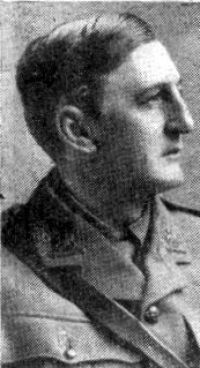
Portrait of A. E. W. Mason A. E. W. Mason At the Villa Rose — XX The Geneva Road (1910)

Celia dared not cry out. Over against her, persistently watching her, Adèle Rossignol sat with the open flask clenched in her hand, and from the vitriol Celia shrank with an overwhelming terror. The carriage drove out from the town along the western edge of the lake.
"Now listen," said Adèle. "As soon as the landau stops the door of the house opposite to which it stops will open. I shall open the carriage door myself and you will get out. You must stand close by the carriage door until I have got out.
Source: Wikisource

Portrait of A. E. W. Mason A. E. W. Mason At the Villa Rose — XX The Geneva Road (1910)

As the motor-car rolled away, courage returned for a moment to Celia. The man—the murderer—had gone. She was alone with Adèle Rossignol in a carriage moving no faster than an ordinary trot. Her ankles were free, the gag had been taken from her lips. If only she could free her hands and choose a moment when Adèle was off her guard she might open the door and spring out on to the road. She saw Adèle draw down the blinds of the carriage, and very carefully, very secretly, Celia began to work her hands behind her. She was an adept
Source: Wikisource

Portrait of A. E. W. Mason A. E. W. Mason At the Villa Rose — XX The Geneva Road (1910)

Celia listened and shuddered. He would have no more compunction over drowning her than he would have had over drowning a blind kitten.
"It's cursed luck," he said. "But we have got the necklace—that's something. That's our share, do you see? The young spark can look for the rest."
But Hélène Vauquier's wish prevailed. She was the leader. They would keep the girl until she came to Geneva.
They took her upstairs into the big bedroom overlooking the lake. Adèle opened the door of the closet, where a truckle-bed stood, and thrust the girl in.
Source: Wikisource

Get perspective with Kwize: daily news enlightened by great literature