Summary

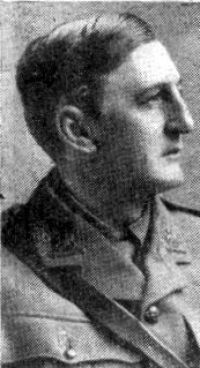
Portrait of A. E. W. Mason A. E. W. Mason The Four Feathers — XXVI: General Feversham's Portraits Are Appeased (1902)

For some while after Durrance had finished, the general sat silent. He raised his hand to his forehead and shaded his eyes as though the man who had spoken could see, and thus he remained. Even when he did speak, he did not take his hand away. Pride forbade him to show to those portraits on the walls that he was capable even of so natural a weakness as joy at the reconquest of honour by his son.
"What I don't understand," he said slowly, "is why Harry ever resigned his commission.
Source: Wikisource

Portrait of A. E. W. Mason A. E. W. Mason The Four Feathers — XXVI: General Feversham's Portraits Are Appeased (1902)

The whole history of his lonely life at Broad Place was laid bare in that simple statement that there had been no Crimean nights for he had no heart for them.
The wheels of the carriage rattled on the gravel.
"Good-bye," said Durrance, and he held out his hand.
"By the way," said Feversham, "to organise this escape from Omdurman will cost a great deal of money. Sutch is a poor man. Who is paying?"
Source: Wikisource

Portrait of A. E. W. Mason A. E. W. Mason The Four Feathers — XXVI: General Feversham's Portraits Are Appeased (1902)

Sutch felt that he could never endure to talk patiently with General Feversham, and he was sure that no argument would turn that stubborn man from his convictions. He had not troubled at all to consider whether the news which Durrance had brought should be handed on to Broad Place.
"You are very thoughtful for others," he said to Durrance.
"It's not to my credit. I practise thoughtfulness for others out of an instinct of self-preservation, that's all," said Durrance. "Selfishness is the natural and encroaching fault of the blind.
Source: Wikisource

Get perspective with Kwize: daily news enlightened by great literature