Summary

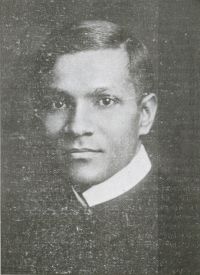
Portrait of Benoy Kumar Sarkar Benoy Kumar Sarkar The "Ganas" or Republics of Ancient India (1920)

No republic in mankind's ancient history can surpass the Sākiya republic in the magnitude of its influence on world-culture. It had authority over a region which has for two thousand and five hundred years been the Jerusalem of Buddhism, the Tenjiko of the Japanese, and the Tien-chu (Heaven) of the Chinese. Shākya the Buddha (or Awakened) was, as the name implies, a citizen of the commonwealth of the Sākiyas. His father and brother were archons of this state. The common tradition that Shākya renounced princedom is erroneous. For he was not a prince at all, but only the son of a president.
Source: Wikisource

Portrait of Benoy Kumar Sarkar Benoy Kumar Sarkar The "Ganas" or Republics of Ancient India (1920)

The Nysaians [21] are described by Arrian as a free commonwealth. They had a president, but the government of their state was entrusted to the aristocracy. This aristocratic element was represented by the council of three hundred wise men. One hundred of these Senators were called for by Alexander. "How, O King!" was the reply of the president of the Nysaian Republic to this suggestion of the Macedonian, "can a single city, if deprived of a hundred of its best men, continue to be well governed?"
Source: Wikisource

Portrait of Benoy Kumar Sarkar Benoy Kumar Sarkar The "Ganas" or Republics of Ancient India (1920)

He had great interest in the welfare of the Vajjian Confederacy and was almost the political and spiritual adviser of its Council of elders. During the last days of this republic, while it was singing the swan-song of its sovereign existence owing to the threat of Ajātashatru, King of Magadha, that he would extirpate the Vajjians, "mighty and powerful though they be," it was Shākya's anti-monarchism and republican fervor that kept up the spirit of resistance among the elders sufficiently high to accept the royal challenge.
Source: Wikisource

Get perspective with Kwize: daily news enlightened by great literature