Summary

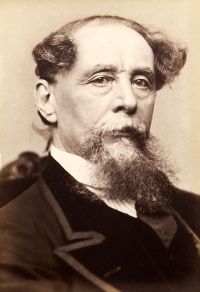
Portrait of Charles Dickens Charles Dickens A Child's History of England — Chapter 14 (1900)

On that great day, and in that great company, the King signed Magna Charta—the great charter of England—by which he pledged himself to maintain the Church in its rights; to relieve the Barons of oppressive obligations as vassals of the crown—of which the Barons, in their turn, pledged themselves to relieve thier vassals, the people; to respect the liberties of London and all other cities and boroughs; to protect foreign merchants who came to England; to imprison no man without a fair trial
Source: Wikisource

Portrait of Charles Dickens Charles Dickens A Child's History of England — Chapter 14 (1900)

I should greatly like to be a King."—"Then," said Philip, "you shall have two hundred gentlemen who are Knights of mine, and with them you shall go to win back the provinces belonging to you, of which your uncle, the usurping King of England, has taken possession. I myself, meanwhile, will head a force against him in Normandy." Poor Arthur was so flattered and so grateful that he signed a treaty with the crafty French King, agreeing to consider him his superior Lord, and that the French King should keep for himself whatever he could take from King John.
Source: Wikisource

Portrait of Charles Dickens Charles Dickens A Child's History of England — Chapter 14 (1900)

When the Barons met at the Abbey of Saint Edmund's-Bury, to consider their wrongs and the King's oppressions, Stephen Langton roused them by his fervid words to demand a solemn charter of rights and liberties from their perjured master, and to swear, one by one, on the High Altar, that they would have it, or would wage war against him to the death. When the King hid himself in London from the Barons, and was at last obliged to receive them, they told him roundly they would not believe him unless Stephen Langton became a surety that be would keep his word.
Source: Wikisource

Get perspective with Kwize: daily news enlightened by great literature