Summary

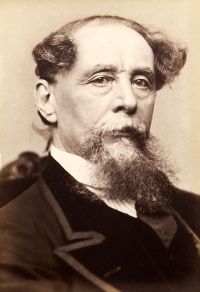
Portrait of Charles Dickens Charles Dickens Bleak House — Chapter L: Esther's Narrative (1852)

We must all agree in that.
“To be sure,” said my guardian. “All of us. I have a great regard for Woodcourt, a high esteem for him; and I have been sounding him delicately about his plans. It is difficult to offer aid to an independent man with that just kind of pride which he possesses. And yet I would be glad to do it if I might or if I knew how. He seems half inclined for another voyage. But that appears like casting such a man away.”
Source: Wikisource

Portrait of Charles Dickens Charles Dickens Bleak House — Chapter L: Esther's Narrative (1852)

And still there was the same shade between me and my darling.
“So, Dame Trot,” observed my guardian, shutting up his book one night when we were all three together, “so Woodcourt has restored Caddy Jellyby to the full enjoyment of life again?”
“Yes,” I said; “and to be repaid by such gratitude as hers is to be made rich, guardian.”
“I wish it was,” he returned, “with all my heart.”
So did I too, for that matter. I said so.
“Aye! We would make him as rich as a Jew if we knew how. Would we not, little woman?”
Source: Wikisource

Portrait of Charles Dickens Charles Dickens Bleak House — Chapter L: Esther's Narrative (1852)

I never thought she stood in need of it.
“Oh, my dear good Esther,” said Ada, “if I could only make up my mind to speak to you and my cousin John when you are together!”
“Why, my love!” I remonstrated. “Ada, why should you not speak to us!”
Ada only dropped her head and pressed me closer to her heart.
“You surely don’t forget, my beauty,” said I, smiling, “what quiet, old-fashioned people we are and how I have settled down to be the discreetest of dames? You don’t forget how happily and peacefully my life is all marked out for me, and by whom?
Source: Wikisource

Get perspective with Kwize: daily news enlightened by great literature