Summary

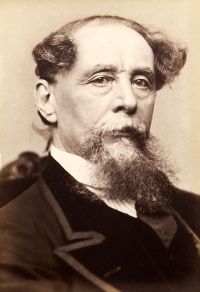
Portrait of Charles Dickens Charles Dickens Bleak House — Chapter LXIII: Steel and Iron (1852)

But not to-day is George so occupied. He is journeying to-day into the iron country farther north to look about him.
As he comes into the iron country farther north, such fresh green woods as those of Chesney Wold are left behind; and coal pits and ashes, high chimneys and red bricks, blighted verdure, scorching fires, and a heavy never-lightening cloud of smoke become the features of the scenery. Among such objects rides the trooper, looking about him and always looking for something he has come to find.
Source: Wikisource

Portrait of Charles Dickens Charles Dickens Bleak House — Chapter LXIII: Steel and Iron (1852)

There is iron-dust on everything; and the smoke is seen through the windows rolling heavily out of the tall chimneys to mingle with the smoke from a vaporous Babylon of other chimneys.
“I am at your service, Mr. Steel,” says the gentleman when his visitor has taken a rusty chair.
“Well, Mr. Rouncewell,” George replies, leaning forward with his left arm on his knee and his hat in his hand, and very chary of meeting his brother’s eye, “I am not without my expectations that in the present visit I may prove to be more free than welcome.
Source: Wikisource

Portrait of Charles Dickens Charles Dickens Bleak House — Chapter LXIII: Steel and Iron (1852)

His brother, however, unwilling to part with him so soon, proposes to ride with him in a light open carriage to the place where he will bait for the night, and there remain with him until morning, a servant riding for so much of the journey on the thoroughbred old grey from Chesney Wold. The offer, being gladly accepted, is followed by a pleasant ride, a pleasant dinner, and a pleasant breakfast, all in brotherly communion. Then they once more shake hands long and heartily and part, the ironmaster turning his face to the smoke and fires, and the trooper to the green country.
Source: Wikisource

Get perspective with Kwize: daily news enlightened by great literature