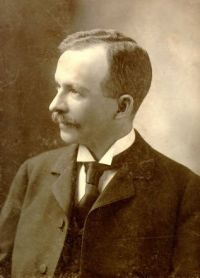
Charles W. Chesnutt

Charles W. Chesnutt

Summary

Portrait of Charles W. Chesnutt Charles W. Chesnutt The Marrow of Tradition — XXVI. (1901)

Ellis felt a surging pity for his old friend; but every step that he had taken toward the jail had confirmed and strengthened his own resolution that this contemplated crime, which he dimly felt to be far more atrocious than that of which Sandy was accused, in that it involved a whole community rather than one vicious man, should be stopped at any cost. Deplorable enough had the negro been guilty, it became, in view of his certain innocence, an unspeakable horror, which for all time would cover the city with infamy.
Source: Wikisource

Portrait of Charles W. Chesnutt Charles W. Chesnutt The Marrow of Tradition — XXVI. (1901)

The gravity of his errand was not lessened by what he saw and heard on the way to the jail. The anger of the people was at a white heat. A white woman had been assaulted and murdered by a brutal negro. Neither advanced age, nor high social standing, had been able to protect her from the ferocity of a black savage. Her sex, which should have been her shield and buckler, had made her an easy mark for the villainy of a black brute. To take the time to try him would be a criminal waste of public money. To hang him would be too slight a punishment for so dastardly a crime. An example must be made.
Source: Wikisource

Portrait of Charles W. Chesnutt Charles W. Chesnutt The Marrow of Tradition — XXVI. (1901)

His mind reverted to the place where he had last seen Sandy, and then a sudden wave of illumination swept over him, and filled him with a thrill of horror. The cakewalk,--the dancing,--the speech,--they were not Sandy's at all, nor any negro's! It was a white man who had stood in the light of the street lamp, so that the casual passer-by might see and recognize in him old Mr. Delamere's servant. The scheme was a dastardly one, and worthy of a heart that was something worse than weak and vicious.
Ellis resolved that the negro should not, if he could prevent it, die for another's crime
Source: Wikisource

Get perspective with Kwize: daily news enlightened by great literature