Summary

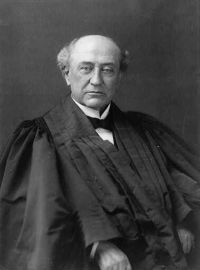
Portrait of David Josiah Brewer David Josiah Brewer Crotty v. Union Mutual Life Insurance Company…

If a policy of insurance be taken out by a debtor on his own life, naming a creditor as beneficiary, or with a subsequent assignment to a creditor, the general doctrine is that, on payment of the debt, the creditor loses all interest therein, and the policy becomes one for the benefit of the insured, and collectible by his executors or administrators.
Source: Wikisource

Portrait of David Josiah Brewer David Josiah Brewer Crotty v. Union Mutual Life Insurance Company…

Neither can the statements of the plaintiff in his proofs of death be considered evidence in his favor of the fact that he is a creditor, or the amount of the debt. All that there is in the proofs of death is his own statement, and surely a plaintiff cannot make his sworn statements at another time and place sufficient evidence, on a trial, of the existence of an essential and disputed fact. These statements are evidence against the claimant, and not against the insurance company.
Source: Wikisource

Portrait of David Josiah Brewer David Josiah Brewer Crotty v. Union Mutual Life Insurance Company…

The purpose of proofs of death in life insurance and proofs of loss in fire insurance cases is to put the insurance company in possession of the facts concerning the death or loss as claimed by the beneficiary or insured, upon which it is to base its determination as to making or refusing payment, and when it receives such proofs without question it is an admission on its part that they are in form sufficient, but not that all the facts stated therein are true.
Source: Wikisource

Get perspective with Kwize: daily news enlightened by great literature