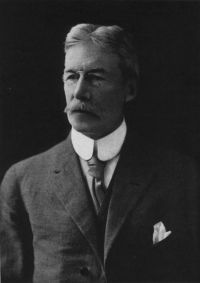
Edward Washburn Hopkins

Edward Washburn Hopkins

Summary

Portrait of Edward Washburn Hopkins Edward Washburn Hopkins The American Historical Review

To turn from the contemplation of evil in order to examine exclusively the good of any nation is an unusual but gratifying method of historical research. The evil that Mahmud and other tyrannical bigots have done has lived after them for a thousand years and Mr. Narendra Nath Law feels it is high time to bring into stronger light the good so long interred with their bones. For this purpose the genial author of Studies in Ancient Hindu Polity has associated with himself a number of Indian Muhammadans and compiled this attractive account of Muhammadan imperial virtues, chiefly educational
Source: Wikisource

Portrait of Edward Washburn Hopkins Edward Washburn Hopkins The American Historical Review

Firuz Shah, his successor, was the first to preserve archaeological remains, such as the Pillars of Ashoka. Timur (Tamerlane) during a siege (1399) gave express orders that the houses of learned men should not be razed. He also richly endowed various seats of scholarship attached to mosques. The Pathan rulers are not of course on the level of the Mughals, but, as our author says, their contributions to the cause of education should suffice to prove that they were not wholly given over to battle and bloodshed.
Source: Wikisource

Get perspective with Kwize: daily news enlightened by great literature