Summary

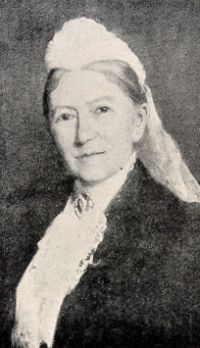
Portrait of Eliza Brightwen Eliza Brightwen Wild Nature Won by Kindness — Tame Butterflies

On the day of her death the other butterfly emerged, and lived for the same length of time. Both were equally tame, but the second showed more intelligence, for she discovered that by folding her wings together she could easily walk between the slender bars of the cage; and having done so she would fly to a window, and remain there basking in the sun, folding and unfolding her wings with evident enjoyment, until I presented my finger, when she would immediately step upon it and be carried back to her cage.
Source: Wikisource

Portrait of Eliza Brightwen Eliza Brightwen Wild Nature Won by Kindness — Tame Butterflies

The tameness of these butterflies I ascribed in great measure to the fact of their having been hatched from chrysalides, and having therefore never known the sweets of liberty. I often wondered if really wild specimens could be won by gentle kindness and made happy in confinement, and one bright summer's day I resolved to try. A "Painted Lady" had been seen in the garden the day before, and I soon caught sight of her making rapid flights from one bed of flowers to another, and when resting for a few minutes, folding and unfolding her wings on the gravel path.
Source: Wikisource

Portrait of Eliza Brightwen Eliza Brightwen Wild Nature Won by Kindness — Tame Butterflies

Butterfly
Tame Butterflies.
n The Century, for June, 1883, [1] Mr. Gosse, [2] described a monument, in which the sculptor had carved a child holding out her hand for butterflies to perch on. He went on to say that this was criticised as improbable, even by so exact an observer as the late Lord Tennyson. It may therefore be of some interest to record the following facts from my personal experience.
Source: Wikisource

Get perspective with Kwize: daily news enlightened by great literature