Summary

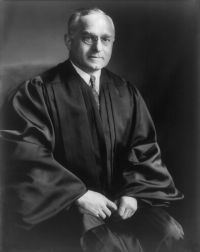
Portrait of Felix Frankfurter Felix Frankfurter Walder v. United States — Opinion of the Court

It is one thing to say that the Government cannot make an affirmative use of evidence unlawfully obtained. It is quite another to say that the defendant can turn the illegal method by which evidence in the Government's possession was obtained to his own advantage, and provide himself with a shield against contradiction of his untruths.
Source: Wikisource

Portrait of Felix Frankfurter Felix Frankfurter Walder v. United States — Opinion of the Court

A. I have not.
'Q. Have you ever even acted as, say, have you acted as a conduit for the purpose of handling what you knew to be a narcotic from one person to another? A. No, Sir.' On cross-examination, in response to a question by Government counsel making reference to this direct testimony, petitioner reiterated his assertion that he had never purchased, sold or possessed any narcotics. Over the defendant's objection, the Government then questioned him about the heroin capsule unlawfully seized from his home in his presence back in February 1950.
Source: Wikisource

Portrait of Felix Frankfurter Felix Frankfurter Walder v. United States — Opinion of the Court

The only witness for the defense was the defendant himself, petitioner here. He denied any narcotics dealings with the two Government informers and attributed the testimony against him to personal hostility.
Early on his direct examination petitioner testified as follows:
'Q. Now, first, Mr. Walder, before we go further in your testimony, I want to you (sic) tell the Court and jury whether, not referring to these informers in this case, but whether you have ever sold any narcotics to anyone. A. I have never sold any narcotics to anyone in my life.
Source: Wikisource

Get perspective with Kwize: daily news enlightened by great literature