Summary

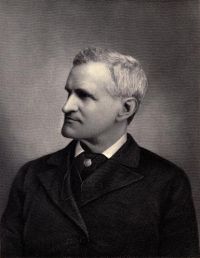
Portrait of Francis Parkman Francis Parkman Appletons' Cyclopædia of American Biography (1900)

The Christian Indians of the neighboring missions rose and joined them, and so also did the Hurons and the Algonquins of Lake Nipissing, stamping and screeching like a troop of mad men, while Frontenac led the dance, whooping like the rest. The delighted savages, roused to martial frenzy, promised war to the death, and several years of conflict followed. The sufferings of the colony, infested by Iroquois war parties, were extreme.
Source: Wikisource

Portrait of Francis Parkman Francis Parkman Appletons' Cyclopædia of American Biography (1892)

A war party of five hundred Iroquois had invaded the Illinois country, driven off the friendly tribes, and spread universal desolation. The great town of the Illinois Indians, near the present village of Utica, was burned to ashes; the bodies of the dead in the neighboring graveyard were dug up, the bones scattered, and the skulls stuck in derision on sticks that were planted in the ground. La Salle looked in vain for traces of his brave and faithful lieutenant, Tonti.
Source: Wikisource

Portrait of Francis Parkman Francis Parkman Appletons' Cyclopædia of American Biography (1900)

Denonville waged against the Iroquois a war meant to humble, but which served only to enrage them. In 1689 they descended in force on the colony, burned and ravaged all the upper part of the island of Montreal, threatened the town itself, and spread blood and havoc everywhere. Canada seemed paralyzed, and terror turned almost to despair when it became known that war with England had begun, and that both white men and red men were arming for her destruction. Since his recall Frontenac had lived in France, poor and half forgotten.
Source: Wikisource

Get perspective with Kwize: daily news enlightened by great literature