Summary

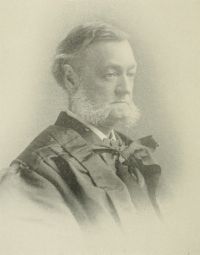
Portrait of George Shiras, Jr. George Shiras, Jr. Macfarland v. Byrnes — Opinion of the Court

They may prefer to forego that right; and they may prefer no longer to contest the propriety and justice of the assessments. If they so elect, the court will, of course, enter the proper order or decree in the cause. If, on the other hand, they elect further to contest the matter according to law, they should have the opportunity to do so. This court, therefore, should not now direct any final order or decree to be entered by the court below in the premises.
Source: Wikisource

Portrait of George Shiras, Jr. George Shiras, Jr. Macfarland v. Byrnes — Opinion of the Court

Nevertheless, by the discordant tenor of judicial decision the appellees were induced to forego a right which should now be restored to them, that of summoning a second jury of assessment under chapter 11 of the Revised Statutes of the United States for the District of Columbia, under which these proceedings were instituted and have been prosecuted, if they now desire to avail themselves of that right.
Source: Wikisource

Portrait of George Shiras, Jr. George Shiras, Jr. Macfarland v. Byrnes — Opinion of the Court

The following paragraph from the opinion of the court of appeals sufficiently discloses the nature of its decree:
'There is, however, a third consideration, which we cannot ignore in the disposition of this case. By the act of Congress of June 6, 1900, already mentioned, it was provided that, if for any reason the assessments for benefits should be declared void, the commissioners should make application to the court for a reassessment.
Source: Wikisource

Get perspective with Kwize: daily news enlightened by great literature