Summary

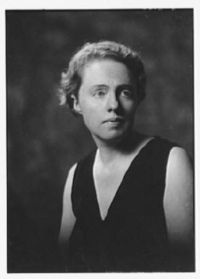
Portrait of I. A. R. Wylie I. A. R. Wylie The Duchess in Pursuit — II. “Wanted” (1917)

She did not stop, in fact, till chance brought her to the Thames Embankment, where, having ascertained that there was no policeman in sight, she leaned exhaustedly against the parapet and contemplated the gaunt outlines of the wharves opposite and the chill blackness of the water at her feet. She had never seen the river from that point of view before, and it completed her depression. She saw her folly in all its completeness. She was an elderly duchess and there was no escaping the fact. Nor did she want to escape; the impulse toward freedom and youth had evaporated.
Source: Wikisource

Portrait of I. A. R. Wylie I. A. R. Wylie The Duchess in Pursuit — II. “Wanted” (1917)

The duchess thrilled to it all. The night air tasted like wine. She felt like an elderly fairy princess in an enchanted land. Quite by accident, she wandered into Berkeley Square and looked up at Sir John O'Neill's lightless windows and thought tenderly of bygone days and of things that might so well have happened and didn't. She thought of Colonel Magree and his hopeless devotion for that inconsolable widow, Mary Cochrane. It was all beautifully sad. The duchess sighed and glowed with romance.
Source: Wikisource

Portrait of I. A. R. Wylie I. A. R. Wylie The Duchess in Pursuit — II. “Wanted” (1917)

The elderly Duchess of Ashminster, one fine spring day, wakes up to the fact that she is bored with life in her narrow, conventional circle, and is yearning for a taste of freedom and adventure. That very night, her chance comes. One of her tenants, who feels that he has been unjustly treated, climbs in at her window to present his case to her personally. As he is leaving by the same way, his wrongs having been righted, he slips and falls with a cry. The duchess hurries down into the garden to see if he has been hurt, and not finding him there, continues her search out into the street.
Source: Wikisource

Get perspective with Kwize: daily news enlightened by great literature