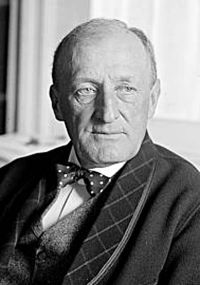
 James Clark McReynolds,
Arndstein v. McCarthy — Opinion of the Court
James Clark McReynolds,
Arndstein v. McCarthy — Opinion of the Court
“ The writ was refused upon the theory that by filing schedules without objection the bankrupt waived his constitutional privilege, and could not thereafter refuse to reply when questioned in respect of them. This view of the law we think is erroneous. The schedules, standing alone, did not amount to an admission of guilt or furnish clear proof of crime, and the mere filing of them did not constitute a waiver of the right to stop short whenever the bankrupt could fairly claim that to answer might tend to incriminate him. ”
