Summary

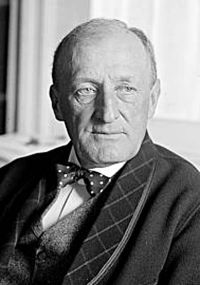
Portrait of James Clark McReynolds James Clark McReynolds Nathanson v. United States — Opinion of the Court

All unreasonable searches and seizures are absolutely forbidden by the Fourth Amendment. In some circumstances a public officer may make a lawful seizure without a warrant; in others he may act only under permission of one. In the present case the place of search and seizure was a private dwelling. The challenged warrant is said to constitute adequate authority therefor. The legality of the seizure depends upon its sufficiency.
Source: Wikisource

Portrait of James Clark McReynolds James Clark McReynolds Nathanson v. United States — Opinion of the Court

The second denied the right to compel production of private papers in a suit by the United States to establish a forfeiture of goods fraudulently imported.
Under the Fourth Amendment, an officer may not properly issue a warrant to search a private dwelling unless he can find probable cause therefor from facts or circumstances presented to him under oath or affirmation. Mere affirmance of belief or suspicion is not enough.
Source: Wikisource

Get perspective with Kwize: daily news enlightened by great literature