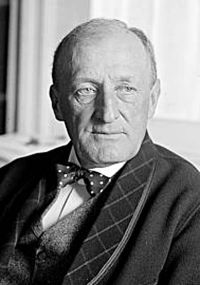
 James Clark McReynolds,
Superintendent of Five Civilized Tribes v…
James Clark McReynolds,
Superintendent of Five Civilized Tribes v…
“ Burnet (1931) 283 U.S. 691, 693, 696, 51 S.Ct. 598, 600, 75 L.Ed. 1353:'The language of sections 201 and 211 (a) (Revenue Act 1918) subjects the income of 'every individual' to tax. Section 213 (a) includes income 'from any source whatever.' [1] The intent of Congress was to levy the tax with respect to all residents of the United States and upon all sorts of income. The act does not expressly exempt the sort of income here involved, nor a person having petitioner's status respecting such income, and we are not referred to any other statute which does. ”
