Summary

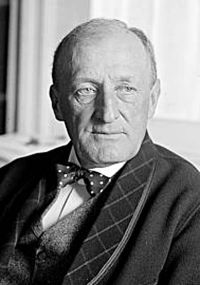
Portrait of James Clark McReynolds James Clark McReynolds United States v. Miller — Opinion of the Court

A duly interposed demurrer alleged: the National Firearms Act is not a revenue measure, but an attempt to usurp police power reserved to the States, and is therefore unconstitutional. Also, it offends the inhibition of the Second Amendment to the Constitution — "A well regulated Militia, being necessary to the security of a free State, the right of people to keep and bear Arms, shall not be infringed."
Source: Wikisource

Portrait of James Clark McReynolds James Clark McReynolds United States v. Miller — Opinion of the Court

The signification attributed to the term Militia appears from the debates in the Convention, the history and legislation of Colonies and States, and the writings of approved commentators. These show plainly enough that the Militia comprised all males physically capable of acting in concert for the common defense. "A body of citizens enrolled for military discipline."
Source: Wikisource

Portrait of James Clark McReynolds James Clark McReynolds United States v. Miller — Opinion of the Court

If any private shall make it appear to the satisfaction of the court hereafter to be appointed for trying delinquencies under this act that he is so poor that he cannot purchase the arms herein required, such court shall cause them to be purchased out of the money arising from delinquents. Most if not all of the States have adopted provisions touching the right to keep and bear arms.
Source: Wikisource

Get perspective with Kwize: daily news enlightened by great literature