Summary

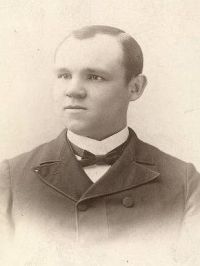
Portrait of James E. Talmage James E. Talmage,  Jesus the Christ — Chapter 23

“ In the present dispensation both the ancient Elias, who belonged to the Abrahamic dispensation and in the spirit of whose office many have officiated in different periods, and also the prophet Elijah, have appeared in person and have conferred their particular and separate authority upon latter-day bearers of the Holy Priesthood, and the keys of the powers exercized by them while on earth are today inherent in the restored Church of Jesus Christ. ”
Source: Wikisource

Portrait of James E. Talmage James E. Talmage,  Jesus the Christ — Chapter 23

“ The seeming difficulty is removed when we consider that, as the name appears in the New Testament, "Elias" is used for "Elijah," [17] with no attempt at distinction between Elijah the Tishbite, and any other person known as Elias. Gabriel's declaration that the then unborn John should manifest "the spirit and power of Elias" indicates that "Elias" is a title of office; every restorer, forerunner, or one sent of God to prepare the way for greater developments in the gospel plan, is an Elias. The appellative "Elias" is in fact both a personal name and a title. ”
Source: Wikisource

Portrait of James E. Talmage James E. Talmage,  Jesus the Christ — Chapter 23

“ Jesus took Peter, James, and John [2] and with them ascended a high mountain, where they would be reasonably safe from human intrusion. [3] There the three apostles witnessed a heavenly manifestation, which stands without parallel in history; in our Bible captions it is known as the Transfiguration of Christ. [4]
One purpose of the Lord's retirement was that of prayer, and a transcendent investiture of glory came upon Him as He prayed. The apostles had fallen asleep, but were awakened by the surpassing splendor of the scene, and gazed with reverent awe upon their glorified Lord.
”
Source: Wikisource

Get perspective with Kwize: daily news enlightened by great literature