Summary

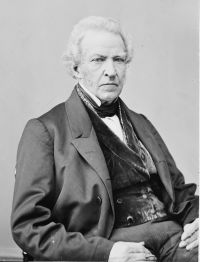
Portrait of James Moore Wayne James Moore Wayne Harris v. Runnels — Opinion of the Court

It is true that a statute, containing a prohibition and a penalty, makes the act which it punishes unlawful, and the same may be implied from a penalty without a prohibition; but it does not follow that the unlawfulness of the act was meant by the legislature to avoid a contract made in contravention of it. When the statute is silent, and contains nothing from which the contrary can be properly inferred, a contract in contravention of it is void.
Source: Wikisource

Portrait of James Moore Wayne James Moore Wayne Harris v. Runnels — Opinion of the Court

The law will not aid either of two parties who are in pari delicto in the violation of a statute. Whatever may be stated in a contract for an illegal purpose, a defendant, against whom it is sought to be enforced, may, to prevent it, show both the turpitude of himself and the plaintiff. Lord Mansfield said, with a very proper sensibility of the injustice of such a plea and of the policy which permits it to be insisted upon, 'The objection, that a contract is immoral or illegal as between plaintiff and defendant, sounds at all times very ill in the mouth of a defendant.
Source: Wikisource

Portrait of James Moore Wayne James Moore Wayne Harris v. Runnels — Opinion of the Court

That legislators do not think the rule one of universal obligation, or that, upon grounds of public policy it should always be applied, is very certain. For, in some statutes, it is said in terms that such contracts are void; in others, that they are not so. In one statute, there is no prohibition expressed, and only a penalty; in another, there is prohibition and penalty, in some of which, contracts in violation of them are void or not, according to the subject-matter and object of the statute
Source: Wikisource

Get perspective with Kwize: daily news enlightened by great literature