“ Here we see a quiet old town, whose roofs are green with the moss of many years, where willows and grassy mounds tell of a historic past, where the bells of ox-teams tinkle in the streets, and commerce itself wears a look of reminiscence. For we have come to the banks of that basin where the French, in the first years of the seventeenth century, laid the foundations of a settlement which, despite all its early misfortunes, has lasted until the present time, though it is the English tongue that is now spoken and the Englishman who is now the occupant. ”
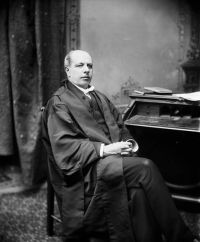
John George Bourinot
Summary
John George Bourinot’s Canada offers a historical and geographical examination of the nation’s colonial development, tracing the interaction between French and English influences from the 17th to the 19th century. Concentrating on regions such as Quebec, Nova Scotia, and Acadia, the text analyzes the remnants of early settlements, the displacement of French populations, and the perseverance of loyalist settlers who influenced Canada’s identity.
Through evocative depictions of landscapes and historical accounts, Bourinot highlights the lasting cultural and political conflicts between French traditions and British rule, while contemplating the country’s shift from a disputed colony to a unique nation. The work integrates Canada’s complex past, underscoring how its geography and history continue to be connected to the challenges and ambitions of its people.
Quotes from Canada (John George Bourinot)
“ In the western valley of that part of French Acadia, now known as Nova Scotia, not only do we tread on historic ground, but we see in these days a landscape of more varied beauty than that which so delighted the gentlemen-adventurers of old France nearly three centuries ago. In this country, which the poem conceived by Longfellow amid the elms of Cambridge has made so famous, we see the rich lands reclaimed from the sea, which glistens a few miles to the north, and every day comes rushing up its estuaries. ”
“ Those loyalists, including the children of both sexes, who joined the cause of Great Britain before the Treaty of Peace in 1783, were allowed the distinction of having after their name the letters U. E. to preserve the memory of their fidelity to a United Empire. A Canadian of these modern days, who traces his descent from such a source, is as proud of his lineage as if he were a Derby or a Talbot of Malahide, or inheritor of other noble names famous in the annals of the English peerage. ”
