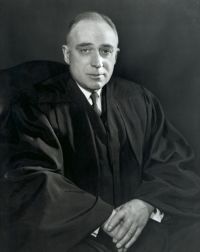
 John Marshall Harlan II,
Gallick v. Baltimore and Ohio Railroad Company…
John Marshall Harlan II,
Gallick v. Baltimore and Ohio Railroad Company…
“ The purpose of such an effort has been to preserve, if possible, the integrity of the jury's general verdict. As one leading commentator has explained, in the context of Federal Rule 49 (b) ,'The power to enter judgment on findings consistent with each other but inconsistent with the general verdict is a constitutional one and does not violate the Seventh Amendment since the jury's findings of fact are not being re-examined but, as a reasonable regulation of practice, their more specific findings of fact are allowed to control over their general conclusion embodied in the general verdict. ”
