Summary

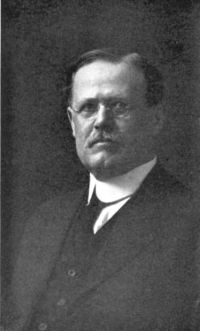
Portrait of John Merle Coulter John Merle Coulter The New International Encyclopædia…

The absence of color is an index of parasitic or saprophytic life, but it must be borne in mind that many parasites and saprophytes are highly colored. The most common coloring matter in plants is chlorophyll, which manifests itself in various shades of green. Light of some strength has been shown to be necessary for the development of chlorophyll, though recent experiments show that it may develop in various seedlings germinated in perfect darkness, and that the synthesis of carbohydrates may take place vigorously under a dense layer of cork.
Source: Wikisource

Portrait of John Merle Coulter John Merle Coulter The New International Encyclopædia…

Yellow coloration in plants is also commonly associated with plastids, and is due to the relative abundance of xanthophyll or carotin present as compared with the true chlorophyll. The phenomenon of yellowness is most common in dying leaves, and is especially well shown in autumn. However, in many young leaves, especially where the nutrition conditions are unfavorable, yellow leaves also appear. Unfavorable nutrition is probably the cause of yellowness in most cases. In dying leaves the part near the veins usually remains green longest.
Source: Wikisource

Get perspective with Kwize: daily news enlightened by great literature