Summary

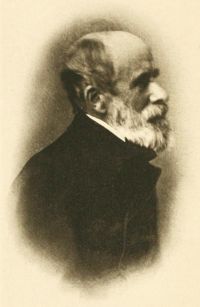
Portrait of John Taylor Brown John Taylor Brown Encyclopædia Britannica, Ninth Edition (1882)

In this respect they present a curious contrast to any thing that is known of the theology taught at that time in the Presbyterian Church of Scotland. They are rather to be regarded as valuable instructions in the art of living a holy life than as a body of scientific divinity. Throughout, however, they bear the marks of a deeply learned and accomplished mind, fully saturated with both classical and patristic reading, and like all his works they breathe the spirit of one who lived very much above the world.
Source: Wikisource

Portrait of John Taylor Brown John Taylor Brown Encyclopædia Britannica, Ninth Edition (1882)

It is difficult to form a just or at least a full estimate of Leighton's character. He stands almost alone in his age. In some respects he was immeasurably superior both in intellect and in piety to most of the Scottish ecclesiastics of his time; and yet he seems to have had almost no influence in moulding the characters or conduct of his contemporaries. One is half inclined to think that he would have shown himself a greater or at least a more complete man if a few natural weaknesses and imperfections had intermingled with his nobler qualities.
Source: Wikisource

Portrait of John Taylor Brown John Taylor Brown Encyclopædia Britannica, Ninth Edition (1882)

When the king wrote to the council that some of the most peaceable and moderate outed ministers might have liberty to preach, and Leighton pleaded that all might have the like liberty, it was "thought that he did this of purpose to oppose and crush it." Nothing that the good man could say or do brought upon him anything but suspicion and calumny.
Source: Wikisource

Get perspective with Kwize: daily news enlightened by great literature