Summary

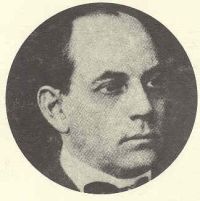
Portrait of Joseph A. Altsheler Joseph A. Altsheler The Shadow of the North: A Story of Old New York and a Lost Campaign

Robert, Willet and Tayoga, with the wisdom of the wilderness, remained crouched at the edge of the trail, but in shelter, and did not fire until they saw an enemy upon whom to draw the trigger. Then a deeper roar was added to the thundering of the big muskets, as Braddock brought up the cannon, and they began to sweep the forest. The English troops, eager to get at the foe, crowded forward, shouting "God save the King!" and the cheers of the Virginians joined with them.
"We'll win! We'll win!" cried Robert. "They can't stop such brave men as ours!"
Source: Gutenberg

Portrait of Joseph A. Altsheler Joseph A. Altsheler The Shadow of the North: A Story of Old New York and a Lost Campaign

Well wrapped and warm, they found a pleasure in the fierce storm that raged among the mountains and over the river, and their own security on the deck of the stout sloop, fastened so safely in the little cove. They listened to the wind rumbling anew like thunder through the deep gorges and clefts, and they saw the snow swept in vast curtains of white over the wild river.
"I wonder what we shall find in New York, Tayoga," said Robert.
"We shall find many people, of many kinds, Dagaeoga, but what will happen to us there Manitou alone knows. But he has us in his keeping.
Source: Gutenberg

Portrait of Joseph A. Altsheler Joseph A. Altsheler The Shadow of the North: A Story of Old New York and a Lost Campaign

Willet was the only white man who remained awake. He saw the great fire die, and the dawn come in its place. He felt then for the first time in all that long encounter the strangeness of his own position. The wilderness, savages and forest battle had become natural to him, and yet his life had once been far different. There was a taste of a distant past in that fierce duel at Quebec when he slew the bravo, Boucher, a deed for which he had never felt a moment's regret, and yet when he balanced the old times against the present, he could not say which had the advantage.
Source: Gutenberg

Get perspective with Kwize: daily news enlightened by great literature