Summary

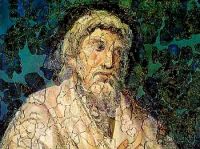
Portrait of Lactantius Lactantius Ante-Nicene Fathers Vol. VII, The Divine Institutes… (1885)

And shortly afterwards to His Son: “There is, O Son, a secret word of wisdom, holy respecting the only Lord of all things, and the God first perceived [2] by the mind, to speak of whom is beyond the power of man.” But although His name, which the supreme Father gave Him from the beginning, is known to none but Himself, nevertheless He has one name among the angels, and another among men, since He is called Jesus [3] among men: for Christ is not a proper name, but a title of power and dominion
Source: Wikisource

Portrait of Lactantius Lactantius Ante-Nicene Fathers Vol. VII, The Divine Institutes… (1885)

Hence in some Greek writings, which are badly translated [8] from the Hebrew, the word eleimmenos [9] is found written, from the word aleiphesthai, [10] anointing. But, however, by either name a king is signified: not that He has obtained this earthly kingdom, the time for receiving which has not yet arrived, but that He sways a heavenly and eternal kingdom, concerning which we shall speak in the last book.
Source: Wikisource

Portrait of Lactantius Lactantius Ante-Nicene Fathers Vol. VII, The Divine Institutes… (1885)

But the meaning of this name must be set forth, on account of the error of the ignorant, who by the change of a letter are accustomed to call Him Chrestus. [4] The Jews had before been directed to compose a sacred oil, with which those who were called to the priesthood [5] or to the kingdom might be anointed. And as now the robe of purple [6] is a sign of the assumption of royal dignity among the Romans, so with them the anointing with the holy oil conferred the title and power of king.
Source: Wikisource

Get perspective with Kwize: daily news enlightened by great literature