Summary

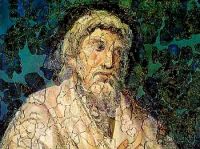
Portrait of Lactantius Lactantius Ante-Nicene Fathers Vol. VII, The Divine Institutes… (1885)

You indeed do not sin, because you are free from this body; you do not covet, because nothing is needed by an immortal; but I have need of many things for the support of this life. You do not fear death, because it can have no power against you. You despise pain, because you can suffer no violence. But I, a mortal, fear both, because they bring upon me the severest tortures, which the weakness of the flesh cannot endure. A teacher of virtue therefore ought to have taken away this excuse from men, that no one may ascribe it to necessity that he sins, rather than to his own fault.
Source: Wikisource

Portrait of Lactantius Lactantius Ante-Nicene Fathers Vol. VII, The Divine Institutes… (1885)

What will that teacher of righteousness say in reply to these things? How will he refute and convict a man who shall allege the frailty of the flesh as an excuse for his faults, unless he himself also shall be clothed with flesh, so that he may show that even the flesh is capable of virtue? For obstinacy cannot be refuted except by example. For the things which you teach cannot have any weight unless you shall be the first to practice them; because the nature of men is inclined to faults, and wishes to sin not only with indulgence, but also with a reasonable plea.
Source: Wikisource

Portrait of Lactantius Lactantius Ante-Nicene Fathers Vol. VII, The Divine Institutes… (1885)

How then can excuse be removed, unless the teacher should practice what he teaches, and as it were go before [6] and hold out his hand to one who is about to follow? But how can one practice what he teaches, unless he is like him whom he teaches? For if he be subject to no passion, a man may thus answer him who is the teacher: It is my wish not to sin, but I am overpowered; for I am clothed with frail and weak flesh: it is this which covets, which is angry, which fears pain and death.
Source: Wikisource

Get perspective with Kwize: daily news enlightened by great literature