Summary

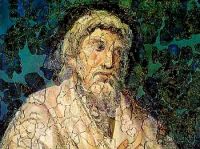
Portrait of Lactantius Lactantius Ante-Nicene Fathers Vol. VII, The Divine Institutes… (1885)

But truly we see that the productions of the mind are immortal. For as many as, devoting themselves to the contempt of present things, have handed down to memory the monuments of their genius and great deeds, have plainly gained by these an imperishable name for their mind and virtue. Therefore, if the deeds of the body are mortal for this reason, because the body itself is mortal, it follows that the soul is shown to be immortal from this, because we see that its productions are not mortal.
Source: Wikisource

Portrait of Lactantius Lactantius Ante-Nicene Fathers Vol. VII, The Divine Institutes… (1885)

What shall I say of the works of the body and soul? Do not they show that the soul is not subject to death? For, as to the body, since it is itself frail and mortal, whatever works it contrives are equally perishable. For Tullius says that there is nothing which is wrought by the hands of man which is not at some time reduced to destruction, either through injury caused by men, or through length of time, which is the destroyer of all things.
Source: Wikisource

Portrait of Lactantius Lactantius Ante-Nicene Fathers Vol. VII, The Divine Institutes… (1885)

Again, as the life of the soul is everlasting, in which it receives the divine and unspeakable fruits of its immortality; also its death must be eternal, in which it suffers perpetual punishments and infinite torments for its faults. Therefore things are in this position, that they who are happy in this life, pertaining to the body and the earth, are about to be miserable for ever, because they have already enjoyed the good things which they preferred, which happens to those who adore false gods and neglect the true God.
Source: Wikisource

Get perspective with Kwize: daily news enlightened by great literature