Summary

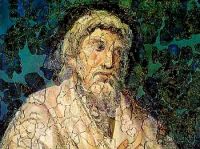
Portrait of Lactantius Lactantius Ante-Nicene Fathers Vol. VII, The Divine Institutes… (1885)

The pleasure of the eyes is derived from the beauty of objects, that of the ears from harmonious and pleasant sounds, that of the nostrils from pleasant odour, that of taste from sweet food,—all of which virtue ought strongly to resist, lest, ensnared by these attractions, the soul should be depressed from heavenly to earthly things, from things eternal to things temporal, from life immortal to perpetual punishment.
Source: Wikisource

Portrait of Lactantius Lactantius Ante-Nicene Fathers Vol. VII, The Divine Institutes… (1885)

Hence it is that they who are either themselves eloquent, or prefer to read eloquent writings, do not readily believe the sacred writings, because they appear unpolished; they do not seek things that are true, but things that are pleasant; nay, to them those things appear to be most true which soothe the ears. Thus they reject the truth, while they are captivated by the sweetness of the discourse. But the pleasure which has reference to the sight is manifold. For that which is derived from the beauty of precious objects excites avarice, which ought to be far removed from a wise and just man
Source: Wikisource

Portrait of Lactantius Lactantius Ante-Nicene Fathers Vol. VII, The Divine Institutes… (1885)

For what madness is it to labour in heaping up those things which must pass to others, either by robbery, or theft, or by proscription, or by death? Let lust not go beyond the marriage-bed, but be subservient to the procreation of children. For a too great eagerness for pleasure both produces danger and generates disgrace, and that which is especially to be avoided, leads to eternal death. Nothing is so hateful to God as an unchaste mind and an impure soul.
Source: Wikisource

Get perspective with Kwize: daily news enlightened by great literature