Summary

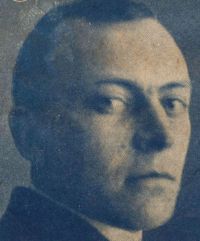
Portrait of Max Brand Max Brand The Night Horseman — XXIV. Doctor Byrne Looks Into The Past (1920)

The wind blew through the open door—it was Dan Barry. The wild geese called from the open sky—for Dan Barry. These are the things which lead him. These the forces which direct him. You have loved him; but is love merely a giving? No, you have seen in him a man, but I see in him merely the animal force."
She said after a moment: "Do you hate him—you plead against him so passionately?"
He answered: "Can you hate a thing which is not human? No, but you can dread it. It escapes from the laws which bind you and which bind me. What standards govern it? How can you hope to win it? Love?
Source: Wikisource

Portrait of Max Brand Max Brand The Night Horseman — XXIV. Doctor Byrne Looks Into The Past (1920)

In reality he was no more a man than Black Bart is a man. He had the face and form of a man, but his instincts were as old as the ages. The animal world obeys him. Satan neighs in answer to his whistle. The wolf-dog licks his hand at the point of death. There is the profound difference, always. You try to reconcile him with other men; you give him the attributes of other men. Open your eyes; see the truth: that he is no more akin to man than Black Bart is like a man. And when you give him your affection, Miss Cumberland, you are giving your affection to a wild wolf!
Source: Wikisource

Portrait of Max Brand Max Brand The Night Horseman — XXIV. Doctor Byrne Looks Into The Past (1920)

Don't you see that he is simply more in tune with the animal world? And it's really no more reasonable to expect Black Bart to remember you than it is to expect Dan Barry to remember you? It's quite plain. When you go back to the beginning man was simply an animal, without the higher senses, as we call them. He was simply a brute, living in trees or in caves. Afterwards he grew into the thing we all know. But why not imagine a throw-back into the earlier instincts? Why not imagine the creature devoid of the impulses of mind, the thing which we call man, and see the splendid animal?
Source: Wikisource

Get perspective with Kwize: daily news enlightened by great literature