Summary

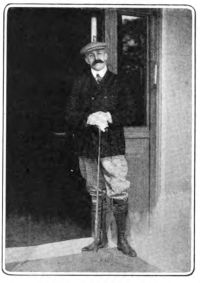
Portrait of Max Pemberton Max Pemberton The Little Huguenot — CHAPTER III. (1895)

Surely the stars will fall!"
The chapel was upon the left side of the courtyard, a quaint Norman nook with fine rounded arches and pilaster-like buttresses, which had warred with the centuries and won victories. A stream of light was poured through its open but richly carved doorway, and the narrow windows were so many pictures of saints and angels hung up upon the begrimed walls. De Guyon, standing in the porch, observed many little shrines with candles burning before them, and he could hear the voice of the priest soft in a rippling monotone of prayer.
Source: Wikisource

Portrait of Max Pemberton Max Pemberton The Little Huguenot — CHAPTER III. (1895)

Here were some twelve men and women, all seemingly absorbed in their devotions, all dressed very soberly, and for the most part in plain black. There was not a man amongst them that hid his hair in a wig; not a woman of the company that seemed to know of the coiffure à boucles badines, au berceau d'amour or au mirliton. Simplicity was the note of it all, and de Guyon, when he had shaken off his surprise, admitted that this simplicity was in pretty harmony with the sombre note of the chapel.
Source: Wikisource

Portrait of Max Pemberton Max Pemberton The Little Huguenot — CHAPTER III. (1895)

Soft carpets, unsurpassable carvings of wood, pictures of the Christ and of saints, shrines whereon diamonds and rubies and precious stones caught the tapers' light, and adding to it their own fires, scattered dancing rays upon the gloom, were evidences of an ardent love of church—and of a well-filled purse. Whatever might have been the creed of the girlish mistress of the Château aux Loups, and there were many who avowed that in her heart she despised the Catholic religion, and was even less than a good Protestant, she yet conformed to the outward observance of the old forms.
Source: Wikisource

Get perspective with Kwize: daily news enlightened by great literature