Summary

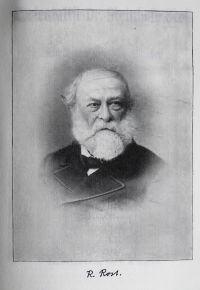
Portrait of Reinhold Rost Reinhold Rost 1911 Encyclopædia Britannica, Volume 26… (1911)

The Thugs were a well-organized confederacy of professional assassins, who in gangs of whom 10 to 200 travelled in various guises through India, wormed themselves into the confidence of wayfarers of the wealthier class, and, when a favourable opportunity occurred, strangled them by throwing a handkerchief or noose round their necks, and then plundered and buried them.
Source: Wikisource

Portrait of Reinhold Rost Reinhold Rost 1911 Encyclopædia Britannica, Volume 26… (1911)

Even those who from age or infirmities could no longer take an active part in the operations continued to aid the cause as watchers, spies, or dressers of food. It was owing to their thorough organization, the secrecy and security with which they went to work, but chiefly to the religious garb in which they shrouded their murders, that they could, unmolested by Hindu or Mahommedan rulers, recognized as a regular profession and paying taxes as such, continue for centuries to practise their craft.
Source: Wikisource

Portrait of Reinhold Rost Reinhold Rost 1911 Encyclopædia Britannica, Volume 26… (1911)

From their using the noose as an instrument of murder they were also frequently called Phansigars, or "noose-operators." Though they themselves trace their origin to seven Mahommedan tribes, Hindus appear to have been associated with them at an early period; at any rate, their religious creed and practices as stanch worshippers of Kali (Devi, Durga) , the Hindu goddess of destruction, had certainly no flavour of Islam in them. Assassination for gain was with them a religious duty, and was considered a holy and honourable profession.
Source: Wikisource

Get perspective with Kwize: daily news enlightened by great literature