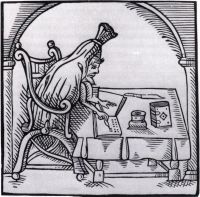
Summary

Portrait of Robert Greene Robert Greene Dorastus and Fawnia, or, The life and adventures of a German princess (1807)

Fawnia. No, Sir, Shepherd's cannot love, they are so simple, neither can maids, because they are too younng.
Dorastus. Nay, Fawnia, thou art old enough to love: and what if should love thee? thou knowest I can command, nay more, constrain thee too.
Fawnia. You may constrain me indeed, but not to love, for love constrained is force; I know the meanness of my birth to well, that even a farmer's son is too high for me; and yet I have that regard to sacred virtue, that I'll die, before I'll yield to a king that shall attempt to violate my honour.
Source: Wikisource

Portrait of Robert Greene Robert Greene Dorastus and Fawnia, or, The life and adventures of a German princess (1807)

But when the king had recovered his speech again, the bitter cries and severe reflections he made upon himself, as being the cause of both their deaths: Ah! sacred Apollo, said he, I am the author of these mischief, Bellaria is chaste and Egistus is innocent: But why should the virtuous Bellaria, and the innocent Garinter die, when it is jealous Pandosta, nay, treacherous and cruel Pandosta, in committing an innocent babe to the merciless waves, that is the cause of these misfortunes; it is I alone, alas! that am the guilty person, and only deserve to suffer.
Source: Wikisource

Portrait of Robert Greene Robert Greene Dorastus and Fawnia, or, The life and adventures of a German princess (1807)

Dorastus. I see fair maid, you are pleased with rural labours, because you are ignorant of courtly pleasures.
Fawnia. Sure, Sir, such ignorance becomes us best, for courtly pleasures suit not our condition; mean though our pleasures are, yet they are innocent, and such become a shepherd's calling best.
Dorastus. I do believe, fair shepherdess, your aims are no higher than a country life, because you are in love with some kind shepherd.
Source: Wikisource

Get perspective with Kwize: daily news enlightened by great literature