Summary

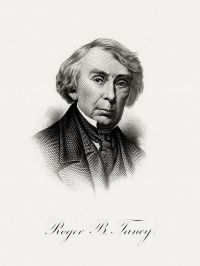
Portrait of Roger B. Taney Roger B. Taney United States v. Curry — Opinion of the Court

And if the mode prescribed for removing cases by writ of error or appeal be too strict and technical, and likely to produce inconvenience or injustice, it is for Congress to provide a remedy by altering the existing laws; not for the court. And as this appeal has not been prosecuted in the manner directed, within the time limited by the acts of Congress, it must be dismissed for want of jurisdiction.
Source: Wikisource

Portrait of Roger B. Taney Roger B. Taney United States v. Curry — Opinion of the Court

It was a matter of right given by law after final decree, which the court could not refuse. Nor had it any power to prescribe the time or manner in which the record was to be transmitted, and the case brought before this court. That, too, is regulated by acts of Congress, which the court can neither change nor modify. All the orders, therefore, upon this subject were unauthorized and void. And the validity of the appeal depends altogether upon the laws of the United States, without reference to the laws of Louisiana or orders of the District Court.
Source: Wikisource

Portrait of Roger B. Taney Roger B. Taney United States v. Curry — Opinion of the Court

Mr. Jones, in support of the motion, contended, that the 9th section of the act of 1824 had not been complied with; that the right of appeal was limited and not absolute, under the 2d and 9th sections of that act; that the public interest required that frivolous cases should not be brought up; that the service upon an attorney was not sufficient; that it depended on the rules of the court to make it so, and here there were no rules
Source: Wikisource

Get perspective with Kwize: daily news enlightened by great literature