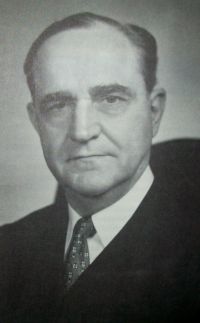
 Sherman Minton,
Bryan v. United States (338 U.S. 552…
Sherman Minton,
Bryan v. United States (338 U.S. 552…
“ Since the Government failed to make out a prima facie case, he claims that he is entitled to a judgment of acquittal because the trial court is required by Rule 29 to enter such judgment on proper motion where it finds the evidence insufficient to sustain a verdict. Petitioner contends in the alternative that Rule 29 applies to the Courts of Appeals, and that the Court of Appeals was itself compelled by the Rule to give a judgment of acquittal when it decided that the evidence was insufficient to sustain the conviction. ”
