Summary

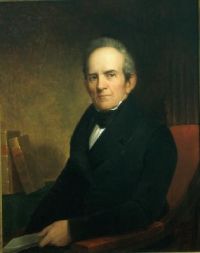
Portrait of Smith Thompson Smith Thompson Simonton v. Winter — Opinion of the Court

The instruction given by the court to the jury was, that the defendant had, by his plea of payment, admitted the demand of the plaintiffs, as stated in the declaration. The general rule undoubtedly is, that when an issue is properly joined, he who asserts the affirmative must prove it; and if the defendant by his plea confesses and avoids the count, he admits the facts stated in the count. But these rules do not apply to this case. The answer of the defendant is not to the allegation in the declaration. There is no issue properly joined.
Source: Wikisource

Portrait of Smith Thompson Smith Thompson Simonton v. Winter — Opinion of the Court

The plea being considered a nullity, the case would stand as if no plea had been put in, and the plaintiffs would be bound to prove their cause of action. Or if the plaintiff, instead of going to trial, had treated the plea as no answer to the declaration, and taken judgment as by nil dicit, the damages must have been assessed by a jury, and the plaintiffs would have been bound to prove their cause of action. This general plea of payment of all that was due amounts to no more than averring that nothing was due.
Source: Wikisource

Portrait of Smith Thompson Smith Thompson Simonton v. Winter — Opinion of the Court

An issue is a single, certain and material point, arising out of the allegations or pleadings of the parties, and generally should be made up by an affirmative and negative; the breach assigned in this declaration is special; the non-payment of a certain sum of money, for particular and specified services, alleged to have been rendered. If the plea had been payment of the sums of money demanded in the declaration, it would confess and avoid the count, and the affirmative would rest upon the defendant to prove payment.
Source: Wikisource

Get perspective with Kwize: daily news enlightened by great literature