Summary

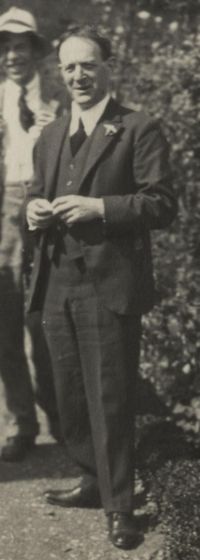
Portrait of Walter De la Mare Walter De la Mare The Riddle and Other Stories — Selina'S Parable (1923)

Always when the farmer opened the door and went in, grain, the bread of life, came out. Always. And he, surely, being a more or less generous creature, capable at any moment of magnanimity, and not, gracious goodness, a cold and bloated cynic, since one must at least, think the best of what is and may be, why, of course, they simply could not but go in, as they did, and, to say the least of it, just see for themselves. You surely can't impiously raid the given. Morning, and possibly afternoon, the poor creatures as best their natural powers allow, reward the farmer for his benefactions.
Source: Wikisource

Portrait of Walter De la Mare Walter De la Mare The Riddle and Other Stories — Selina'S Parable (1923)

Selina knew farmyards that more seductively soothed her æsthetic sense—farmyards of richer ricks, of solider outbuildings, of a deeper peace. But since this farmyard, despite its litter and bareness, was busy with life—dog in kennel, chicken, duck, goose, gander and goslings, doves, a few wild birds, some even of the sea, an occasional horse and man—contemplation of it solaced her small mind, keeping it gently busy, and yet in a state narrowly bordering on trance.
Source: Wikisource

Portrait of Walter De la Mare Walter De la Mare The Riddle and Other Stories — Selina'S Parable (1923)

Oh, ever so happy and dreamy and sorrowful and alone, and not in the least muddle-minded—omniscient, I suppose, though that, of course, must be omni—omni-sensitive, too—just staring down in sheer joy and interest at the farmer, and the sunshine, and the valley, and the yard, and the hens, and that delicious filthy duck-pond and—and the Atlantic, absolutely all Its, and ...
Source: Wikisource

Get perspective with Kwize: daily news enlightened by great literature