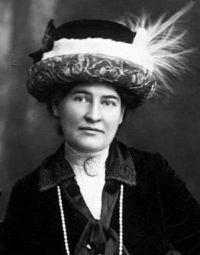
Willa Sibert Cather

Willa Sibert Cather

Summary

Portrait of Willa Sibert Cather Willa Sibert Cather The Song of the Lark — Epilogue (1915)

Tillie lives in a little magic world, full of secret satisfactions. Thea Kronborg has given much noble pleasure to a world that needs all it can get, but to no individual has she given more than to her queer old aunt in Moonstone. The legend of Kronborg, the artist, fills Tillie's life; she feels rich and exalted in it. What delightful things happen in her mind as she sits there rocking! She goes back to those early days of sand and sun, when Thea was a child and Tillie was herself, so it seems to her, "young."
Source: Wikisource

Portrait of Willa Sibert Cather Willa Sibert Cather The Song of the Lark — Epilogue (1915)

The many naked little sandbars which lie between Venice and the mainland, in the seemingly stagnant water of the lagoons, are made habitable and wholesome only because, every night, a foot and a half of tide creeps in from the sea and winds its fresh brine up through all that network of shining water ways. So, into all the little settlements of quiet people, tidings of what their boys and girls are doing in the world bring real refreshment; bring to the old, memories, and to the young, dreams.
Source: Wikisource

Portrait of Willa Sibert Cather Willa Sibert Cather The Song of the Lark — Epilogue (1915)

She had been feeling a little down, perhaps, and Thea had answered her, from so far. From a common person, now, if you were troubled, you might get a letter. But Thea almost never wrote letters. She answered every one, friends and foes alike, in one way, her own way, her only way. Once more Tillie has to remind herself that it is all true, and is not something she has "made up." Like all romancers, she is a little terrified at seeing one of her wildest conceits admitted by the hard-headed world. If our dream comes true, we are almost afraid to believe it
Source: Wikisource

Get perspective with Kwize: daily news enlightened by great literature