Summary

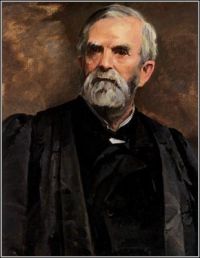
Portrait of William Burnham Woods William Burnham Woods Scovill v. Thayer — Opinion of the Court

Considered, therefore, in the view of a court of equity, the contract between the company and its stockholders was this, namely, that the stockholders should pay, say, for example, twenty dollars per share on their stock and no more, unless it became necessary to pay more to satisfy the creditors of the company, and when the necessity arose and the amount required was ascertained, then to make such additional payment on the stock as the satisfaction of the claims of creditors required.
Source: Wikisource

Portrait of William Burnham Woods William Burnham Woods Scovill v. Thayer — Opinion of the Court

When the company was adjudicated a bankrupt, the assignees were bound by this contract, thus equitably construed. Their duty was to collect a sufficient sum upon the unpaid stock, which, with the other assets of the company, would be sufficient to satisfy the company's creditors. They were authorized to collect no more. If it should turn out that the other assets were sufficient, no action would lie against the stockholder for the balance due on his stock. For if in a bankruptcy proceeding any surplue remained after payment of debts, it would go to the company and not to the stockholders.
Source: Wikisource

Get perspective with Kwize: daily news enlightened by great literature