Summary

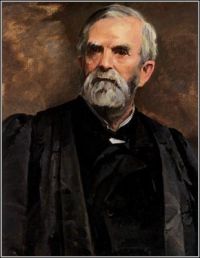
Portrait of William Burnham Woods William Burnham Woods Townsend v. Little — Opinion of the Court

The case of appellant is therefore an attempt to set up a secret trust as against bona fide purchasers for value without notice. But nothing is clearer than that a purchaser for a valuable consideration, without notice of a pior equitable right, obtaining the legal estate at the time of his purchase, is entitled to priority in equity as well as at law, according to the well-known maxim that when equities are equal the law shall prevail.
Source: Wikisource

Portrait of William Burnham Woods William Burnham Woods Townsend v. Little — Opinion of the Court

A secret agreement subsequently entered into between Townsend and the appellant, and purposely kept concealed from the public by them, cannot be held to change the nature of Townsend's occupancy so as to affect with constructive notice persons who had no actual notice. Constructive notice is defined to be in its nature no more than evidence of notice, the presumption of which is so violent that the court will not even allow of its being controverted.
Source: Wikisource

Portrait of William Burnham Woods William Burnham Woods Townsend v. Little — Opinion of the Court

It merely directed that 'deeds of conveyance for the same shall be executed by the mayor of the city or town under the seal of the corporation.' According to the well-settled rule, that general and specific provisions, in apparent contradiction, whether in the same or different statutes, and without regard to priority of enactment, may subsist together, the specific qualifying and supplying exceptions to the general, this provision for the execution of a particular class of deeds is not controlled by the law of the territory requiring deeds generally to be executed with two witnesses.
Source: Wikisource

Get perspective with Kwize: daily news enlightened by great literature