Summary

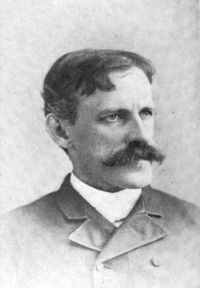
Portrait of William Elliot Griffis William Elliot Griffis The Story of New Netherland — Chapter XIII: Nijkerk… (1909)

Yet no less true is this in the story of Dutch America. The pompous corporation officials have attracted attention, even to caricature or transfiguration, but it was the plain people who made New Netherland. Theirs were the heroic figures, and the best things in the Empire State are inheritances from them. Like most office-holders, the Company’s servants succumbed to the intoxication of authority, but, the people sanely and soberly laid the foundations and reared the enduring structure.
Source: Wikisource

Portrait of William Elliot Griffis William Elliot Griffis The Story of New Netherland — Chapter XIII: Nijkerk… (1909)

Every Dutchman who owned land, or had rights to the common timber or pasture, felt that he had a right to vote, and he cursed both Company and patroon that dared to deprive him of his ancestral rights, which, since the days of the Moot and the Mark and the lifting up of the chief on the shield, amid popular acclamation, he had not forgotten.
Source: Wikisource

Portrait of William Elliot Griffis William Elliot Griffis The Story of New Netherland — Chapter XIII: Nijkerk… (1909)

In name and theory, New Netherland was past and gone when Schenectady was settled, but was Dutch to the core, and remained so until the Revolution, when its people became intensely American and loyal to the Continental Congress.
Schenectady was not the only free village organized before the fall of New Netherland. In 1652 some free farmers, who chafed under manorial rule and wanted to be owners of the soil they tilled and not semi-serfs, came and settled at Esopus. Receiving the soil as a free gift from the Indians, the settlement was named Wiltwijk
Source: Wikisource

Get perspective with Kwize: daily news enlightened by great literature