Summary

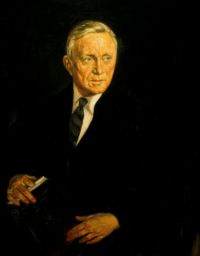
Portrait of William O. Douglas William O. Douglas National Labor Relations Board v…

It is not of help to say that on some matters the Board has original jurisdiction, on others appellate jurisdiction. We are dealing with a matter on which the Board has the final say. As in the case of many other matters coming before hearing examiners, it merely delegates the right to make a preliminary ruling. Much of the work of the Board necessarily has to be done through agents.
Source: Wikisource

Portrait of William O. Douglas William O. Douglas National Labor Relations Board v…

The Board in deciding whether to grant the appeal considers the merits. If no substantial question has been raised, leave to appeal is denied. If a substantial question is presented, leave to appeal is granted. Sometimes when leave to appeal is granted, action is forthwith taken on the merits, the ruling of the hearing officer being reversed or modified. [8] Or where an immediate ruling by the Board on a motion to revoke is not required, the Board defers its ruling until the entire case is transferred to it in normal course.
Source: Wikisource

Portrait of William O. Douglas William O. Douglas National Labor Relations Board v…

Five subpoenas duces tecum and one subpoena ad testificandum were issued. [2] The persons to whom the subpoenas were directed moved before both the Board and the hearing officer to revoke the subpoenas. [3] The Board refused to entertain the motions to revoke on the grounds that those motions, under its Rules and Regulations, [4] require an initial ruling by the hearing officer. That officer after granting an opportunity for a hearing denied the motions to revoke. That ruling was not appealed; and respondents refused to comply with the subpoenas.
Source: Wikisource

Get perspective with Kwize: daily news enlightened by great literature