Summary

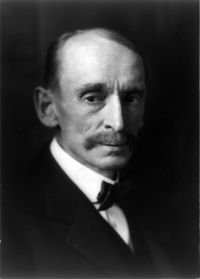
Portrait of William R. Day William R. Day Ludvigh v. American Woolen Company of New York…

It appears that Horowitz & Son, the bankrupts, had had a contract in writing with the Woolen Company which expired on December 1, 1902, whereby goods were to be consigned to Horowitz & Son, the title to the merchandise or its proceeds to remain in the Woolen Company until fully accounted for, all bills of such consigned goods to be payable to the Woolen Company and accounts of sales to be rendered to that company at least once a month. The Horowitzes were also to give security to protect the Woolen Company from any failure to perform the contract
Source: Wikisource

Portrait of William R. Day William R. Day Ludvigh v. American Woolen Company of New York…

By the provisions of § 4 the party of the second part, the Niagara Company, was obliged to sell to persons adjudged to be of good credit and business standing, and to collect for the party of the first part, the Woolen Company, accounts for merchandise sold, and immediately pay over to it the amounts collected, less the difference between the price of the merchandise as invoiced to the Niaraga Company, and the price at which it was sold.
Source: Wikisource

Portrait of William R. Day William R. Day Ludvigh v. American Woolen Company of New York…

But it is insisted by the counsel for the appellant that the conduct of the parties shows that their real purpose and understanding were to make an effectual sale; and that the writing, even if interpreted to withhold the title by its terms, was merely a convenient resort to fortify the right to take the goods in event of disaster overtaking the Horowitz concern.
Source: Wikisource

Get perspective with Kwize: daily news enlightened by great literature