Summary

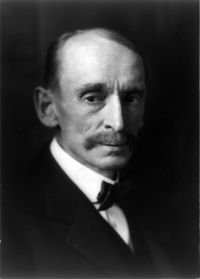
Portrait of William R. Day William R. Day United States ex rel. Hill v. American Surety Company of New York…

In view of the declared purpose of the statute, in the light of which this bond must be read, and considering that the act declares in terms the purpose to protect those who have furnished labor or material in the prosecution of the work, we think it would be giving too narrow a construction to its terms to limit its benefits to those only who supply such labor or materials directly to the contractor.
Source: Wikisource

Portrait of William R. Day William R. Day United States ex rel. Hill v. American Surety Company of New York…

We cannot conceive that this construction works any hardship to the surety. The contractor gets the benefit of such work or material. It is distinctly averred in this case that the original contractor received the benefit of the work done, and it was used in part performance of his contract. It is easy for the contractor to see to it that he and his surety are secured against loss by requiring those with whom he deals to give security by bond, or otherwise, for the payment of such persons as furnish work or labor to go into the structure.
Source: Wikisource

Portrait of William R. Day William R. Day United States ex rel. Hill v. American Surety Company of New York…

If the contractor sees fit to let the work to a subcontractor, who employs labor and buys materials which are used to carry out and fulfil the engagement of the original contract to construct a public building, he is thereby supplied with the materials and lobor for the fulfilment of his engagement as effectually as he would have been had he directly hired the labor or bought the materials.
Source: Wikisource

Get perspective with Kwize: daily news enlightened by great literature