Summary

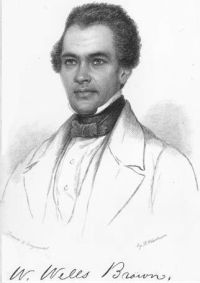
Portrait of William Wells Brown William Wells Brown Three Years in Europe — Letter II.

Ireland, the land of genius and degradation—of great resources and unparalleled poverty—noble deeds and the most revolting crimes—the land of distinguished poets, splendid orators, and the bravest of soldiers—the land of ignorance and beggary! Dublin is a splendid city, but its splendour is that of chiselled marble rather than real life. One cannot behold these architectural monuments without thinking of the great men that Ireland has produced.
Source: Wikisource

Portrait of William Wells Brown William Wells Brown Three Years in Europe — Letter II.

But greater applause was yet in store for the young prince; for the captain of the steamer being near by, and seeing that the Prince of Wales could not prevail on his brother to take off his hat, stepped up to him and undertook to take it off for him, when, seemingly to the delight of all, the prince put both hands to his head and held his hat fast. This was regarded as a sign of courage and future renown, and was received with the greatest enthusiasm—many crying out, "Good, good: he will make a brave king when his day comes."
Source: Wikisource

Portrait of William Wells Brown William Wells Brown Three Years in Europe — Letter II.

Dublin, the Metropolis of Ireland, is a city of above two hundred thousand inhabitants, and is considered by the people of Ireland to be the second city in the British Empire. The Liffey, which falls into Dublin Bay a little below the Custom-House, divides the town into two nearly equal parts. The streets are—some of them—very fine, especially upper Sackville Street, in the centre of which stands a pillar erected to Nelson, England's most distinguished Naval Commander.
Source: Wikisource

Get perspective with Kwize: daily news enlightened by great literature