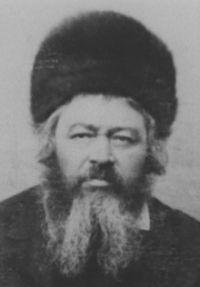
Yechiel Michel Epstein

Yechiel Michel Epstein

Summary

Portrait of Yechiel Michel Epstein Yechiel Michel Epstein Translation:Arukh ha-Shulchan…

Section 3 Though as a matter of law there is no prohibition against washing with hot water on these other three fast days, nevertheless the custom is to consider it prohibited, with the exception of Friday, when one can wash in honor of the Shabbos (Bach) . This is, however, no custom to prohibit washing with cold water, and one may do so. One may also sit in steam room [bathhouse] when it is not pleasure that is intended but rather the removal of the discomfort of sweating.
Source: Wikisource

Portrait of Yechiel Michel Epstein Yechiel Michel Epstein Translation:Arukh ha-Shulchan…

The reason for this is that these three fast days do not depend on the will of the community, whereas by other fasts, such as the seventeenth of Tammuz, the fast of Gedalia and the tenth of Teves, the Talmud states "If the community wishes to fast they do, and if not, not." Therefore we announce these fasts to proclaim to all that it is the intention of the community to fast.
Source: Wikisource

Portrait of Yechiel Michel Epstein Yechiel Michel Epstein Translation:Arukh ha-Shulchan…

Even one who is suffers a malady of the eyes should not take these fasts lightly. In fact, all who suffer a malady, as long as they are not the type exacerbated by fasting, like a malady of the head or heart, should fast. A pregnant of nursing woman should not fast on any of these days aside from Tisha b'Av. Healthy [pregnant or nursing] women do have custom to be stringent with themselves and fast on these three days as well.
Source: Wikisource

Get perspective with Kwize: daily news enlightened by great literature