“ CHAPTER IV. THE BATTLE OF MANILA BAY. May 1. “Manila, May 1.—The squadron arrived at Manila at daybreak this morning. Immediately engaged the enemy, and destroyed the following Spanish vessels: Isla de Cuba, Isla de Luzon, Reina Christina, Castilla, Don Antonio d’Ulloa, Don Juan d’Austria, Velasco, General Lezo, El Correo, Marques del Duero, Isla de Mindanao, and the water-battery at Cavite. The squadron is uninjured. Few men were slightly injured. The only means of telegraphing is to American consulate, Hongkong. I shall communicate with him. “Dewey.” ”
Battle of Manila Bay
Definition and stakes
The theme of “Battle of Manila Bay” has been addressed by authors such as F.R.G.S. John Foreman, Dean C. Worcester, Murat Halstead, Joaquín Martínez de Zúñiga and Ramon Reyes Lala. It is often associated with terms like Philippines, Spaniards, people, states and Spain.
Quotes about “Battle of Manila Bay”
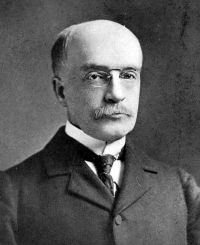 John Bach McMaster,
A Brief History of the United States
John Bach McMaster,
A Brief History of the United States
“ Spain at once severed diplomatic relations, and (April 21, 1898) war began.THE BATTLE AT MANILA BAY.—A fleet which had assembled at Key West sailed at once to blockade Havana and other ports on the coast of Cuba. Another under Commodore Dewey sailed from Hongkong to attack the Spanish fleet in the Philippine Islands. Dewey found it in Manila Bay, where on the morning of May 1, 1898, he attacked and destroyed it without losing a man or a ship. The city of Manila was then blockaded, and General Merritt with twenty thousand men was sent across the Pacific to take possession of the Philippines. ”
William McKinley, State of the Union Addresses
“ At daybreak on the 1st of May the American force entered Manila Bay, and after a few hours' engagement effected the total destruction of the Spanish fleet, consisting of ten war ships and a transport, besides capturing the naval station and forts at Cavite, thus annihilating the Spanish naval power in the Pacific Ocean and completely controlling the bay of Manila, with the ability to take the city at will. Not a life was lost on our ships, the wounded only numbering seven, while not a vessel was materially injured. ”
Related terms
Authors who wrote about “Battle of Manila Bay”
F.R.G.S. John ForemanDean C. Worcester Murat HalsteadJoaquín Martínez de ZúñigaRamon Reyes Lala
 Adeline KnappNeedom N. FreemanFrancis St. Clair
 Benjamin Tillman
 Ferdinand Heinrich GrautoffPaul T. GilbertEugene C. JacobsEmma Helen BlairCharles Lincoln PhiferJohn Maurice MillerJames OtisWilliam McKinleyCharles Morris
 Rossiter JohnsonCharles King
Murat HalsteadJoaquín Martínez de ZúñigaRamon Reyes LalaAdeline KnappNeedom N. FreemanFrancis St. ClairBenjamin TillmanFerdinand Heinrich GrautoffPaul T. GilbertEugene C. JacobsEmma Helen BlairCharles Lincoln PhiferJohn Maurice MillerJames OtisWilliam McKinleyCharles MorrisRossiter JohnsonCharles King