Surrender, a multifaceted concept, denotes yielding to external forces, whether physical, emotional, or ideological. In Jerry Belson’s 1987 comedy Surrender, the theme emerges through romantic entanglements and identity deception, as characters navigate trust and self-discovery.
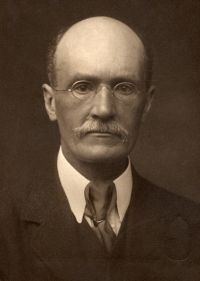
Literary explorations, however, often frame surrender in starker terms: from Romain Rolland’s critique of complicity in war to Francis Hackett’s reflection on fatigue as a form of resignation. These varied perspectives—ranging from battlefield capitulation to personal vulnerability—reveal surrender as both a strategic choice and a profound existential act, bridging the mundane and the metaphysical.
 Francis Hackett,
The Invisible Censor
Francis Hackett,
The Invisible Censor