William Pitt

Definition and stakes

Appletons' Cyclopædia of American Biography (1900)

“ CHATHAM, William Pitt, Earl of, British statesman, b. in Boconnoc, Cornwall, England, 15 Nov., 1708; d. in Hayes, Somerset, 11 May, 1778. His grandfather, Thomas Pitt, was governor of Madras, and brought from India the celebrated Pitt diamond, which he had purchased for £24,000. The Regent Orleans bought it of him for £135,000, and it was esteemed the most precious of the crown jewels of France as long as the monarchy lasted. Gov. Pitt used his wealth in buying rotten boroughs until he acquired for his family a vast parliamentary influence. ”
Source: Wikisource

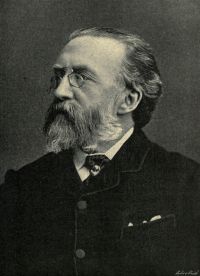
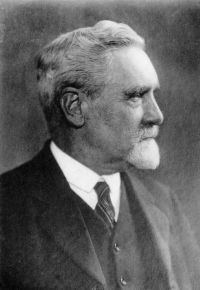
Portrait of J. Holland Rose J. Holland Rose,  William Pitt and national revival (1911)

“ Thus pride of family and pride of race must have helped to stiffen the mental fibre of a youth on whom nature and art alike showered the gifts and graces of a chivalrous order. In a coarse nature the result would have been snobbishness. In William Pitt the outcome was devotion to the ideals of his father and buoyant confidence as to their ultimate triumph.
In some respects there is truth in the statement of Windham that Pitt never was young. Certainly for so delicate a plant the forcing process was perilously early and prolonged.
”
Source: Gutenberg

Portrait of J. Holland Rose J. Holland Rose,  William Pitt and national revival (1911)

“ William Pitt, Earl of Chatham, died in 1778. His second son, named after him, began his political career at the close of the year 1780, when he was elected Member of Parliament for Appleby. The decade which then began marks a turning point in British history. Then for the first time the old self-contained life was shaken to its depths by forces of unsuspected power. Democracy, Athene-like, sprang to maturity in the New World, and threatened the stability of thrones in the Old World. ”
Source: Gutenberg

Get perspective with Kwize: daily news enlightened by great literature